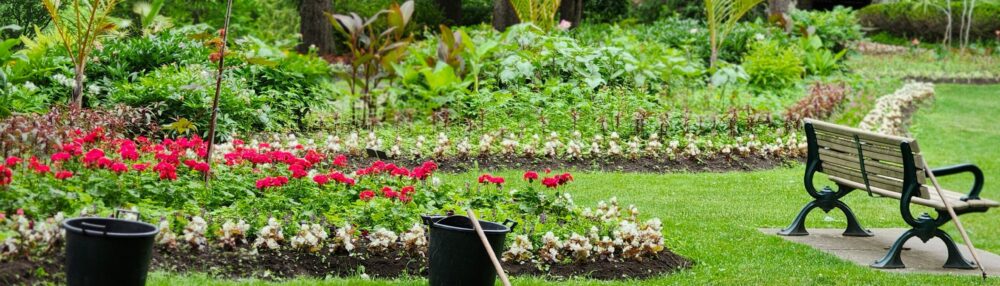
Gardening in New Hampshire offers a rewarding yet sometimes challenging experience shaped by the state’s distinctive four-season climate and diverse soil conditions. For both beginners and experienced gardeners, understanding how these environmental factors interact is essential for cultivating healthy plants and maintaining a thriving landscape. By learning how to work with the local climate and soil—rather than against them—you can significantly improve your gardening success.
New Hampshire’s climate is characterized by cold, often prolonged winters and warm, occasionally humid summers. This seasonal contrast plays a major role in determining what plants can survive and flourish. The state falls primarily within USDA Hardiness Zones 3 through 6, which indicates the average minimum winter temperatures. In northern regions, temperatures can drop as low as -30°F (-34°C), while southern areas experience milder lows. These variations mean that plant selection is critical—gardeners must choose species that are hardy enough to endure freezing conditions and unpredictable weather shifts.
Winter, while harsh, plays an important ecological role. The cold temperatures help control pest populations and allow many perennial plants to enter a necessary dormancy period. However, the long winter also shortens the growing season. Snow cover can act as insulation for plant roots, but freeze-thaw cycles can cause soil heaving, which may damage shallow-rooted plants. Gardeners often use mulch or protective coverings to reduce these risks and stabilize soil temperatures.
As winter transitions into spring, New Hampshire experiences a period of unpredictability. Sudden temperature changes, late snowfalls, and heavy rains can delay planting schedules. The last frost date typically occurs in late May, although this can vary depending on location and elevation. Gardeners must remain cautious during this time, as planting too early can expose young plants to frost damage. Starting seeds indoors is a common strategy to get a head start on the growing season while avoiding the risks of early outdoor planting.
Summer brings warmer temperatures and longer daylight hours, providing ideal conditions for plant growth. However, humidity levels can rise, creating an environment where fungal diseases may thrive. Consistent watering becomes important, especially during dry spells, but overwatering should be avoided to prevent root rot. Gardeners looking to improve water efficiency may also consider a used irrigation system as a practical option for delivering water more consistently throughout the garden.
Proper spacing between plants and good air circulation can help minimize disease risks during the humid months.
Autumn is often considered one of the most pleasant seasons for gardening in New Hampshire. Cooler temperatures and reduced pest activity make it an excellent time for planting perennials, trees, and shrubs. The first frost can arrive as early as September in northern areas, signaling the end of the growing season for many annual plants. Fall is also a critical time for soil preparation—adding compost and organic matter during this season allows nutrients to break down and integrate into the soil before spring.
In addition to climate, soil composition across New Hampshire varies significantly, influencing how water, nutrients, and air interact with plant roots. Coastal areas tend to have sandy soils, which drain quickly but may struggle to retain nutrients. Inland regions often feature rocky or clay-heavy soils, which can be dense and slow-draining. Each soil type presents its own set of challenges and opportunities.
Sandy soils, while easy to work with, require frequent watering and fertilization because nutrients can leach away quickly. Adding organic matter such as compost helps improve water retention and nutrient availability. On the other hand, clay soils are rich in nutrients but can become compacted, restricting root growth and limiting drainage. Amending clay soil with compost, leaf mold, or other organic materials can improve its structure and make it more suitable for planting.
Rocky soils, common in many parts of New Hampshire, can make digging and planting more labor-intensive. However, these soils often provide excellent drainage, which benefits plants that prefer drier conditions. Raised beds are a popular solution for gardeners dealing with rocky terrain, as they allow for greater control over soil composition and depth.
Soil pH is another crucial factor in gardening success. Most plants thrive in slightly acidic to neutral soil, typically with a pH between 6.0 and 7.0. In New Hampshire, soils are often naturally acidic due to the region’s geology and rainfall patterns. Conducting a soil test is the best way to determine your soil’s pH and nutrient levels. Based on the results, gardeners can add lime to raise pH or sulfur to lower it, creating a more balanced environment for plant growth.
Organic matter plays a vital role in improving soil health across all soil types. Compost, aged manure, and decomposed leaves enhance soil structure, increase microbial activity, and provide essential nutrients. Regularly incorporating organic matter into your garden not only boosts plant growth but also improves the soil’s ability to retain moisture and resist erosion.
Understanding frost dates is equally important when planning a garden in New Hampshire. The relatively short growing season requires careful timing to ensure plants have enough time to mature. Cool-season crops such as lettuce, spinach, and peas can be planted earlier in the spring, while warm-season crops like tomatoes and peppers should be planted after the risk of frost has passed. Using tools like row covers or cold frames can help extend the growing season and protect plants from unexpected temperature drops.
Microclimates within your garden can also influence plant success. Factors such as sunlight exposure, wind protection, and proximity to buildings can create small variations in temperature and moisture. For example, areas near south-facing walls may warm up more quickly in the spring, allowing for earlier planting. Observing these subtle differences can help you make more informed decisions about plant placement.
Ultimately, successful gardening in New Hampshire depends on a combination of knowledge, observation, and adaptability. By understanding the state’s climate patterns and soil characteristics, gardeners can make informed choices about plant selection, planting schedules, and soil management. As your gardening skills grow, you may also find meaningful ways to share your harvest, knowledge, and passion with others, helping take the benefits from your garden to your community. While the challenges of cold winters, variable weather, and diverse soils may seem daunting, they also create opportunities for creativity and resilience in the garden.
With thoughtful planning and consistent care, New Hampshire gardeners can cultivate vibrant, productive landscapes that reflect the beauty and diversity of the region. Beyond individual yards, the knowledge and harvests developed through local gardening can create meaningful opportunities to share resources, connect with neighbors, and strengthen the wider community.
Content generated by ChatGPT